
From your first consultation to an implant-supported tooth
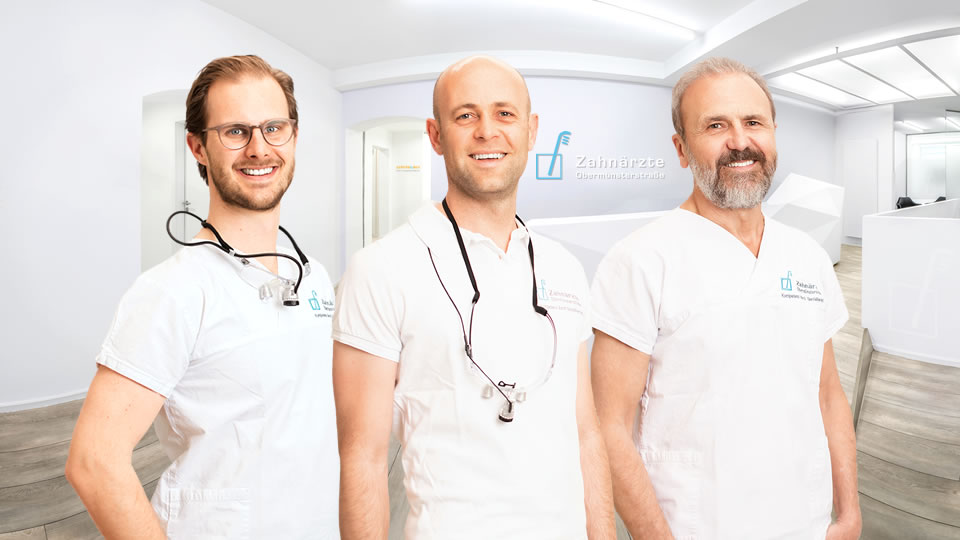
Implant treatment involves several decisions and stages. The implant is the artificial root in the jaw; the visible replacement tooth is attached later. If you are considering this approach, it helps to understand what happens before surgery, what healing involves and how you will care for the result. Your examination findings determine the sequence, so the same timetable cannot be promised to every patient.The first question is whether an existing tooth can be saved. Extensive damage alone does not make an implant necessary. Depending on the cause, root canal treatment to preserve the tooth may be appropriate. If replacement is needed, implants should be compared with alternatives such as bridges and dentures. Dr. Mathias Siegmund M.Sc., M.Sc. is a certified implantologist (DGI) at Zahnärzte Obermünsterstraße in Regensburg. He completed his Master of Science in Oral Implantology in November 2010. The in-house dental laboratory contributes to making the replacement teeth.
Before surgery: findings and personal risks
Preparation includes examining the teeth and gums, taking appropriate X-rays and discussing your health. Bring an up-to-date list of medicines and mention smoking, diabetes or previous problems with healing. Existing inflammation needs assessment and may require treatment first. If bone grafting is proposed, its potential benefit, risks and effect on the overall treatment time should be discussed separately. Ask for explanations of anything you find unclear.Planning your implant restoration should also include temporary solutions. Ask whether and when you can wear an existing denture and how the gap might be managed during healing. Discuss the proposed costs and review appointments before treatment starts. Understanding these practical details helps you arrange work commitments, travel and any support you may need at home.
Implant placement and the healing period
Implants are often placed under local anaesthetic. The implant is secured in a prepared site in the jawbone, which then needs time to integrate with its surface. Healing commonly takes several months, and additional procedures can extend the process. Immediate loading or an immediate restoration is possible only in suitable circumstances. It should not be treated as a promise that applies to everyone.The first days after surgery
Some pain, swelling or bruising can occur after surgery. Follow the personal instructions you receive about cleaning, food, physical activity and any prescribed medicines. Attend the planned wound reviews. Increasing symptoms, fever, pus or persistent bleeding need prompt assessment. Difficulty breathing or swallowing requires immediate medical help. Do not wait for a routine appointment if you develop these problems, and ask the treating team beforehand how to reach appropriate care.Your replacement tooth and continuing care
Once healing is sufficient, the implant is connected to the restoration. Depending on the technique, a small additional procedure may be needed first. Impressions or digital records provide information for making the replacement teeth. At fitting appointments, the team checks factors including fit, bite and cleaning access. Report sore spots or difficulty biting so that the restoration can be assessed.Care continues after the replacement tooth is fitted. Daily cleaning and individually arranged reviews with professional implant maintenance remain important. Bleeding gums, new swelling or a loose restoration need examination even years later. Implant loss remains possible, and replacement teeth can need repairs. Arrange a consultation to discuss the treatment stages, your questions and a realistic plan based on your own clinical situation.