
Preventive dental care that fits everyday life
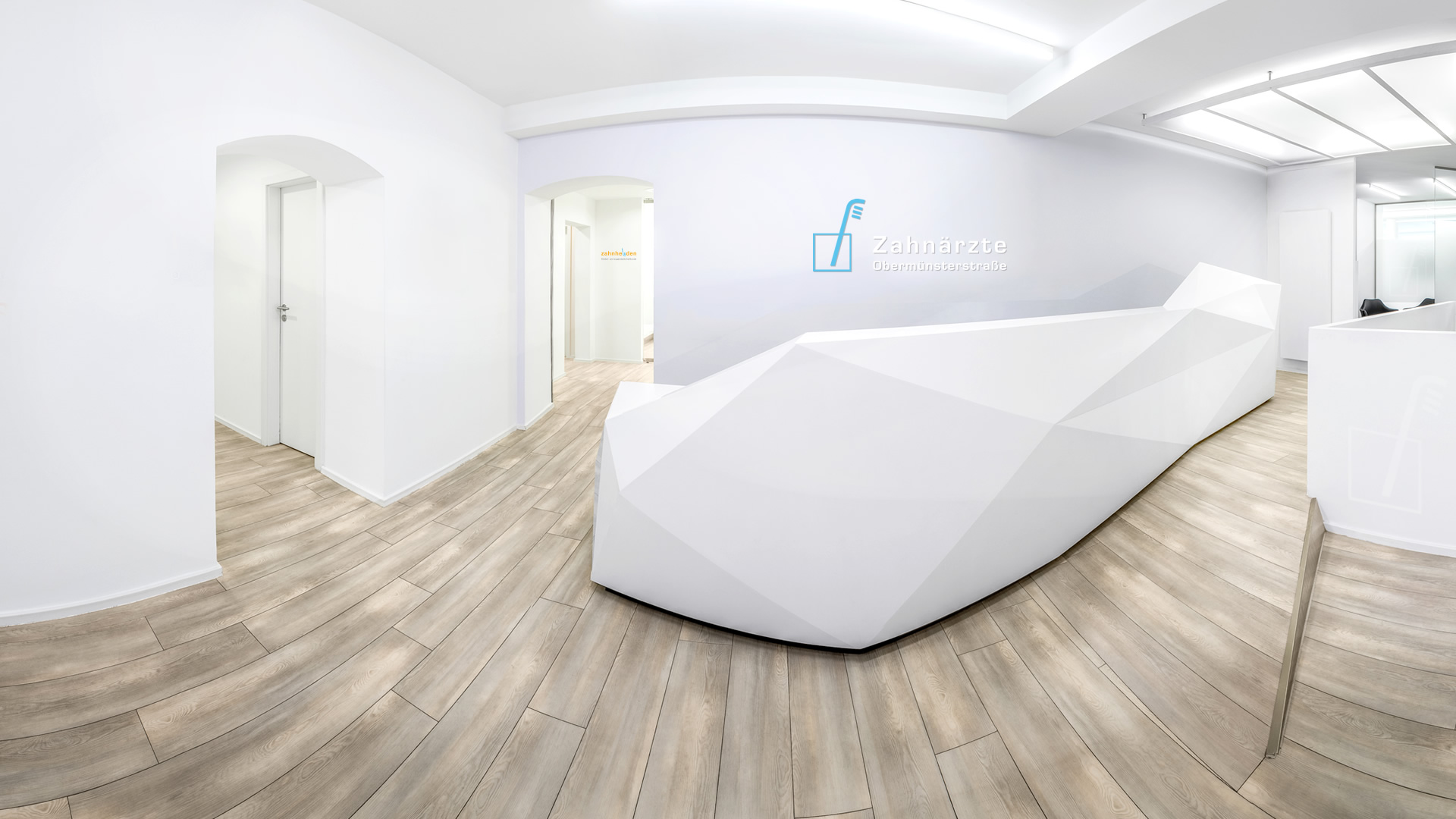
Looking after your teeth involves several complementary habits: careful cleaning at home, thoughtful food and drink choices, and dental examinations. The need for additional measures depends on your oral health. Someone with crowded teeth may need different cleaning aids from a person with bridges, implants or reduced hand movement. A useful prevention plan recognises these differences and gives you a routine you can manage consistently.Zahnärzte Obermünsterstraße has a dedicated preventive care department. Its preventive dental care also includes guidance on cleaning at home. Bring specific questions to your appointment: Where does food get trapped? Which areas bleed? Is your brush difficult to position? Your experiences help the dental team suggest changes that address actual problems in your daily routine.
Cleaning teeth and the spaces between them
Brush twice a day with fluoride toothpaste, carefully cleaning every surface. Around two minutes each time is a useful guide for adults. Both manual and electric toothbrushes can be suitable; what matters is using your chosen brush thoroughly and gently. Pressing harder does not make up for missed surfaces and may irritate sensitive areas. Ask for a demonstration if you are unsure how to reach the gum margins or back teeth.Choosing aids for cleaning between teeth
Clean between your teeth daily using suitable aids. Interdental brushes work well in many spaces, while floss may be more appropriate where contacts are too tight for a brush. Have the size and technique checked rather than forcing a brush into a narrow gap. Bridges and implants may need a different approach. Mouthwash does not replace physical plaque removal, and medicated rinses should be used for a specific reason on dental advice.Recognising when your prevention plan needs to change
How often your teeth encounter sugar matters for tooth decay. Sipping sweet drinks over many hours or repeatedly snacking on sugary foods creates frequent exposure. Water is a straightforward option between meals. Mention a dry mouth, newly prescribed medicines or ongoing sensitivity at your appointment, as these can change the advice you need. Prevention works best when it responds to changes in your health and circumstances.Bleeding gums deserve assessment. Gingivitis affects the gums, while periodontitis involves damage to the tissues supporting the teeth. Not all gingivitis progresses to periodontitis. If supporting tissue is already affected, targeted periodontal treatment is needed. Professional cleaning alone cannot replace that treatment. Regular appointments also cannot take the place of daily home care.
Helping children build a reliable routine
Cleaning starts when a child's first milk tooth appears. Parents should supervise and help until their child can reliably clean all tooth surfaces. Toothpaste and the amount used should suit the child's age and other sources of fluoride. Discuss this individually, particularly if fluoride supplements are already being used. A calm, consistent routine is more useful than occasional unusually long brushing sessions.The practice includes the Zahnhelden department for children and young people. Its children's dental care provides an opportunity to discuss brushing and age-appropriate prevention. For adults too, examinations and cleaning appointments should reflect individual needs rather than one schedule applied to everyone.
Arrange a consultation at Zahnärzte Obermünsterstraße in Regensburg to discuss your preventive care plan. Bringing your current cleaning aids and questions can help turn general advice into practical changes you can use at home.